Energy at home
Heat pumps, solar panels and batteries work best when they are set up for your home and your tariff, not for the installer’s default settings. We help you choose new equipment and fine-tune what you already have.
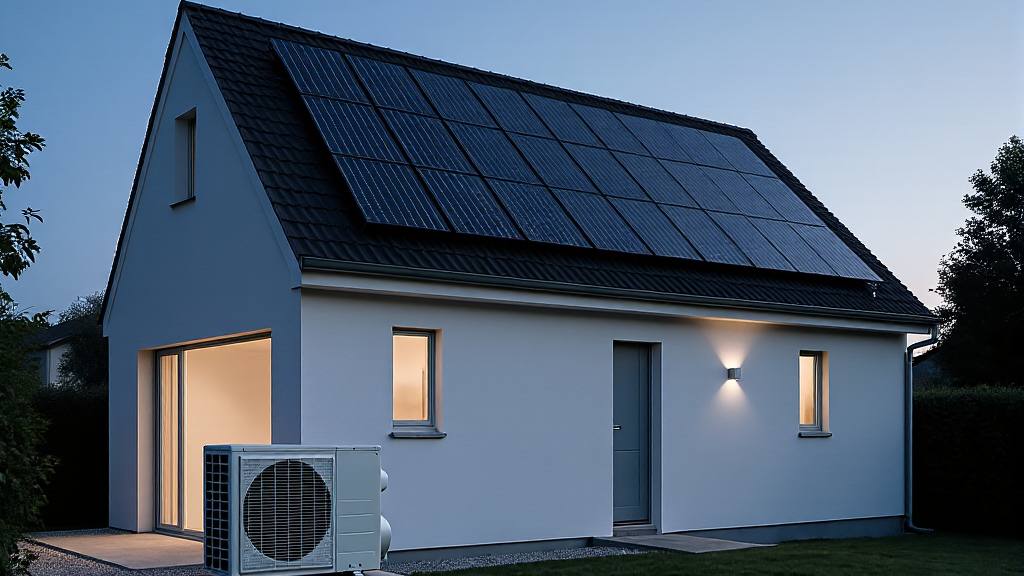
One installation, one plan
Solar panels, a battery, a heat pump and an EV charger share the same grid connection. They deliver the most when they follow one plan and your tariff.
Services for homes

Tariffs and billing
Start with what you pay for today: electricity, heat and gas invoices and contracts, contracted capacity and tariff group.
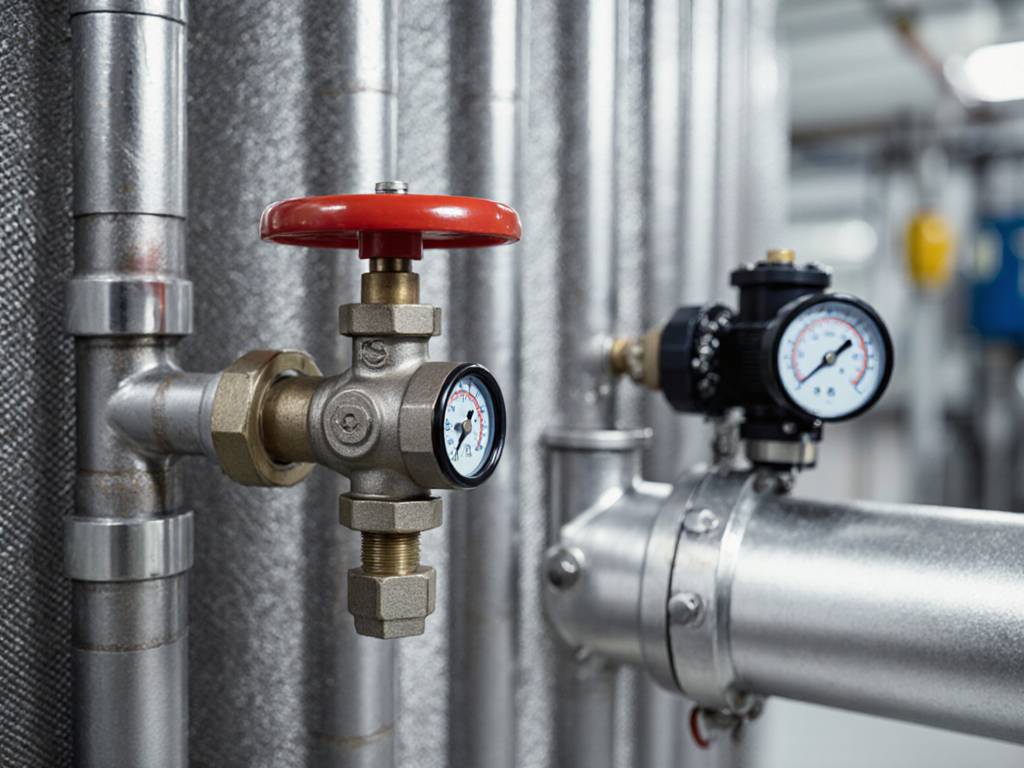
Installation diagnostics
Why existing equipment falls short: reactive power compensation, tuning, heat recovery and monitoring.
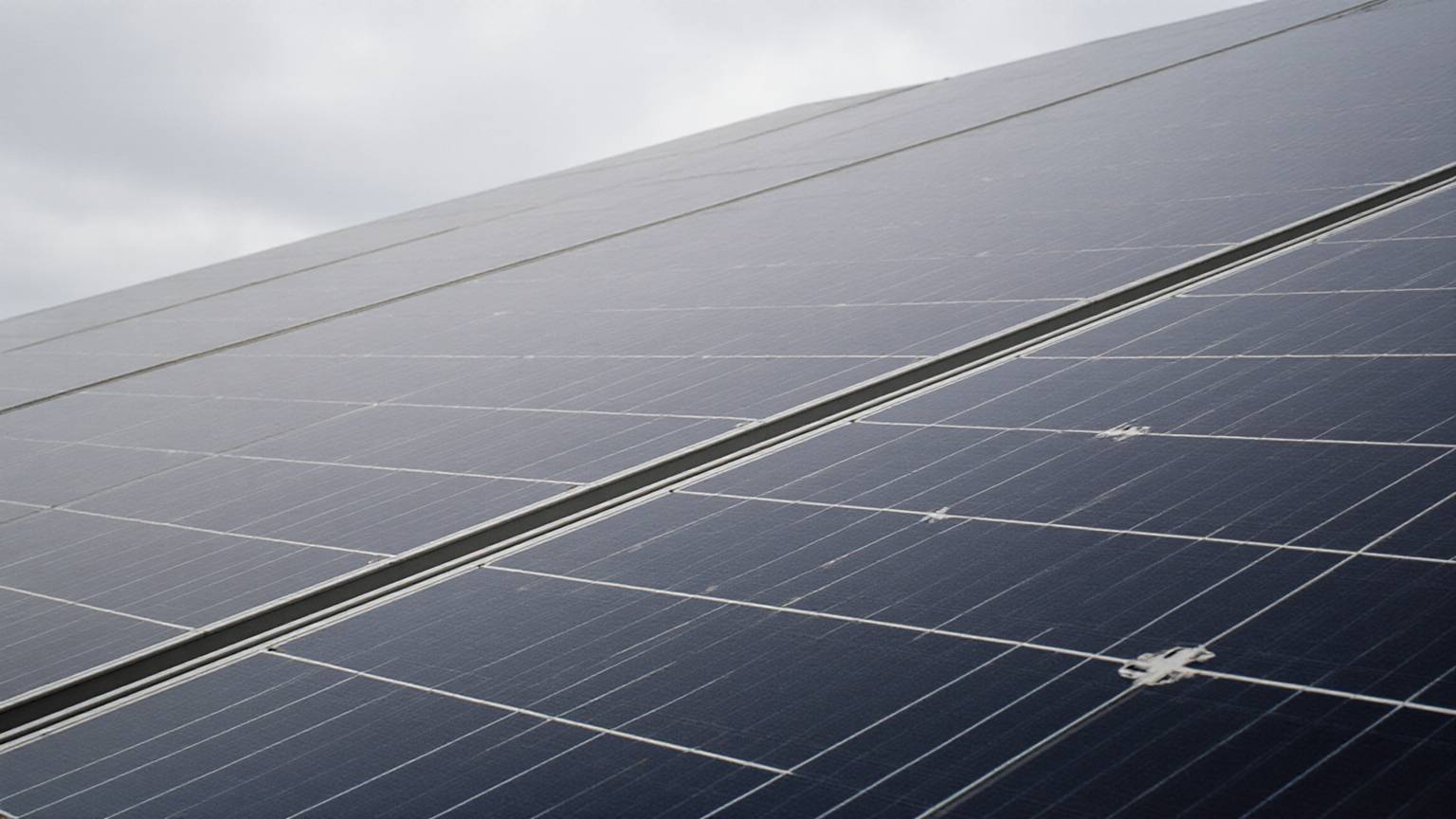
Renewables and heat
Solar PV, energy storage and a heat pump sized to your load profile and controlled by one plan.
- Solar PVPV sized to your consumption profile, not to the largest roof area. Design, grid operator notification, and performance analysis of existing systems.
- Energy storageBattery capacity and power sized to the goal (self-consumption, peak shaving, dynamic tariffs or backup) and integration design.
- Heat pumps and heatingLower heating costs, from heat pump and tariff selection, through settings and schedules, to working with PV and storage.
- System integration and energy management (EMS)PV, storage, heat pump, chargers and loads working to one plan, through an energy management system with metering and reporting.
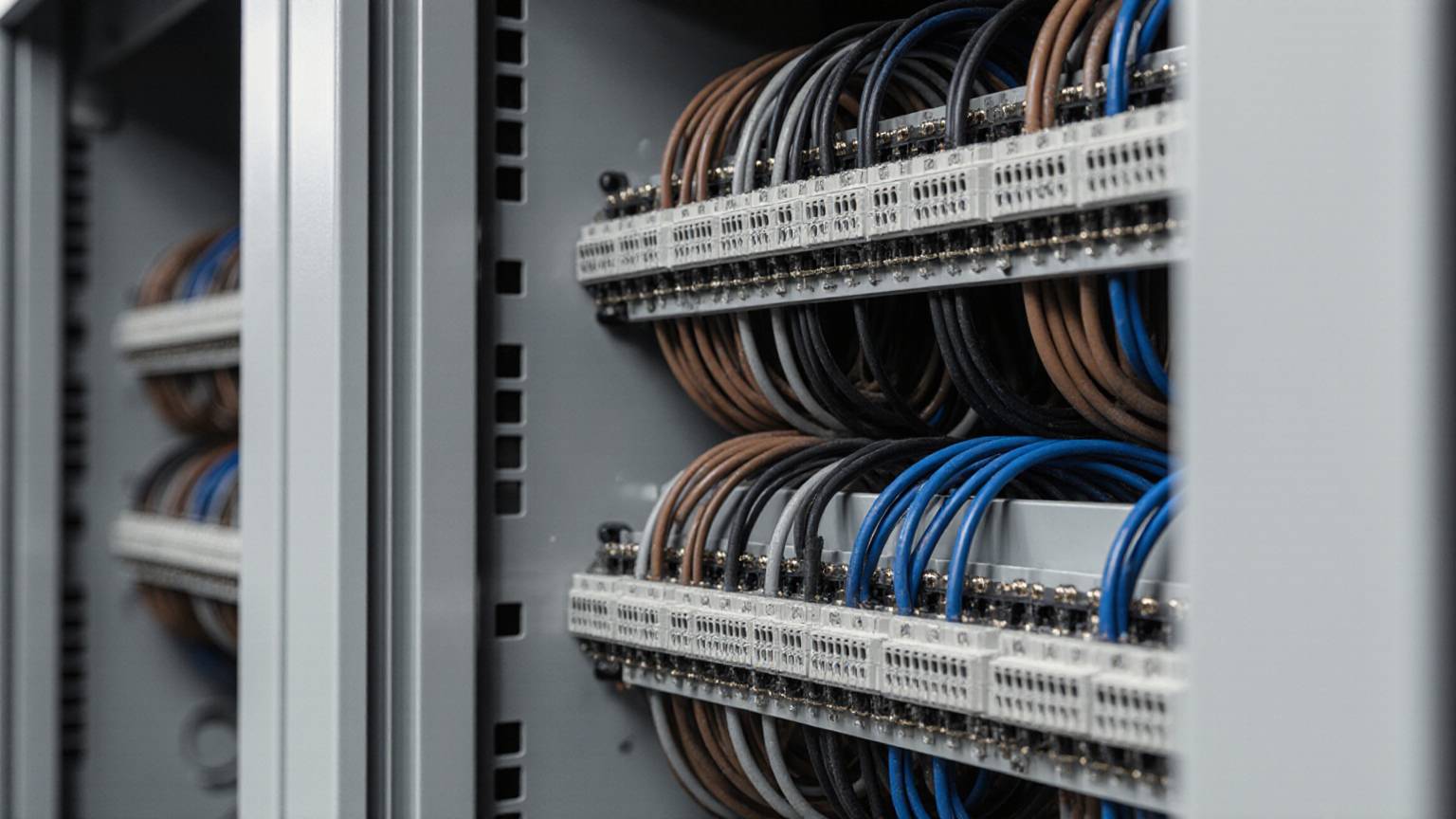
Electrical design
Design documentation with calculations and approvals: from the grid connection and switchgear to site lighting.
- Grid connection designConnection condition applications and designs for LV and MV grid connections, coordinated with the operator and other disciplines.
- Electrical installationsElectrical installation design for industrial, commercial and residential buildings, from power distribution to shock and lightning protection.
From data to a confirmed result
We start with data and a clear diagnosis. We compare the possible solutions, taking into account capital costs, maintenance and the effect on other systems. If an investment is not justified, our recommendation says so. We never promise a percentage saving before the analysis.
Analysis
We learn what the building needs and collect invoices and operating data. We define the scope of the assessment and what needs measuring.
Measurement
We check how equipment really runs and look for the causes of losses. We prepare improvement options with costs and assumptions.
Delivery
Once you choose a solution, we carry out or coordinate the agreed work. Changes and parameters are documented at handover.
Verification
We compare results against the agreed baseline, allowing for changes in how the building is used. Energy savings are separated from price changes.
Find out where you are losing energy
Describe your building and the problem you want to solve. We will tell you what data is needed and propose the scope of the analysis. You can start with your energy bills or with a specific installation that is not working as it should.